Research and development of phenolic molding plastics for 20 years
About Us
Research and development of phenolic molding plastics for 20 years
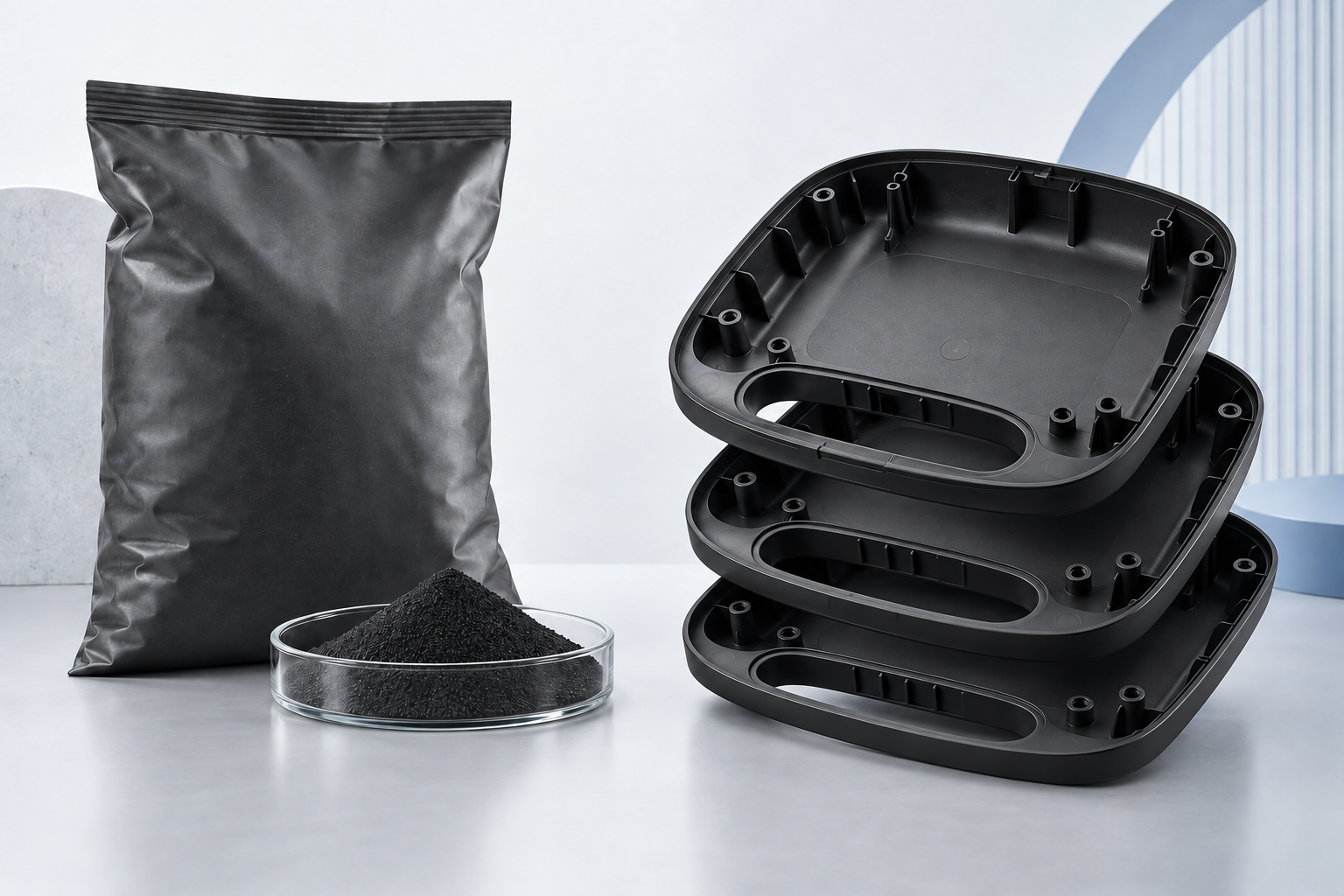
We offer phenolic compound supply and can discuss producing finished sandwich maker outer housings. Choose the supply route by defining the component, available equipment, mould arrangements, inspection requirements and delivery scope.
PF2A4-161J is the grade offered for this application. Review its product information and the outer-housing application guide when preparing an enquiry.
| Supply route | Responsibilities to define |
|---|---|
| Compound for your own moulding facility | Grade and packaging, material receipt and storage, mould and equipment, process trials, housing inspection and batch traceability |
| Finished moulded housings | Approved drawing, grade, colour, mould ownership, trial samples, production conditions, finishing scope, component inspection and delivery arrangements |
Finished-housing supply concerns the specified component. Define any additional operations explicitly in the quotation request.
If the material has not been selected, provide the requirements and candidate documentation described in the material selection guide.
For compound orders, production and stock preparation take:
| Order or item | Production and delivery basis |
|---|---|
| Regular compound orders | 7–10 working days |
| Large orders of at least 50 tonnes | 10–15 working days |
| Samples | 7 working days |
| Custom-colour compound | 15 working days |
| New tooling | about 45 working days, depending on tool size |
| Moulded parts on customer-supplied tooling | 7 working days |
The 50-tonne threshold defines the large-order category. Our minimum order for in-stock compound is one 25 kg bag; custom compounds start at 3–5 tonnes. Production periods are counted from the first working day after payment confirmation.
A new tool runs parts as soon as it is finished. Transport and customs arrangements are separate from production and stock preparation.
For a moulded-housing project, send 3D mould design drawings or a physical sample. We develop the tooling, you carry the tooling cost, and the finished tool is yours. Once the tool is finished, we mould samples and send them for approval, and production proceeds when the samples meet the requirement. Payment terms are 50% in advance and the remaining 50% of the tooling cost on delivery.
For in-house moulding, include compound consumption, equipment, tooling, cycle time, finishing, inspection and rejected housings. For outsourced moulding, review what the quotation includes for tooling, samples, finishing, quality control, packaging and delivery.
Compare both routes at the same quantity, drawing and acceptance requirements. Trial records should support any assumptions about cycle time or reject rate. A raw-material price alone does not represent the cost of a finished accepted housing.
Compound ships in 25 kg bags with a PE moisture-proof inner liner and a kraft-paper outer laminate. Store in a cool, ventilated warehouse at 15–28 °C and 40–60% relative humidity, and stay below 35 °C and 70% RH. Keep the bags off heat sources and out of sunlight, on pallets at least 10–15 cm off floor and wall. Shelf life is 12 months from the production date; beyond that, material with no caking that passes a re-inspection to the applicable national standard can still be used, but not for demanding electrical parts. Humid summer storage shortens that margin. Use an opened bag within 7–15 days, or double-bag and seal the inner liner. Keep stock on first-in-first-out rotation and do not blend old and new batches.
The compound is non-dangerous goods for transport. Protect it from rain, moisture and sun, and cover open loads fully. Do not co-load it with strong acids or alkalis, heat sources or open flames, and do not leave containers sealed in midsummer heat; move goods into dry storage at destination rather than holding them in the open.
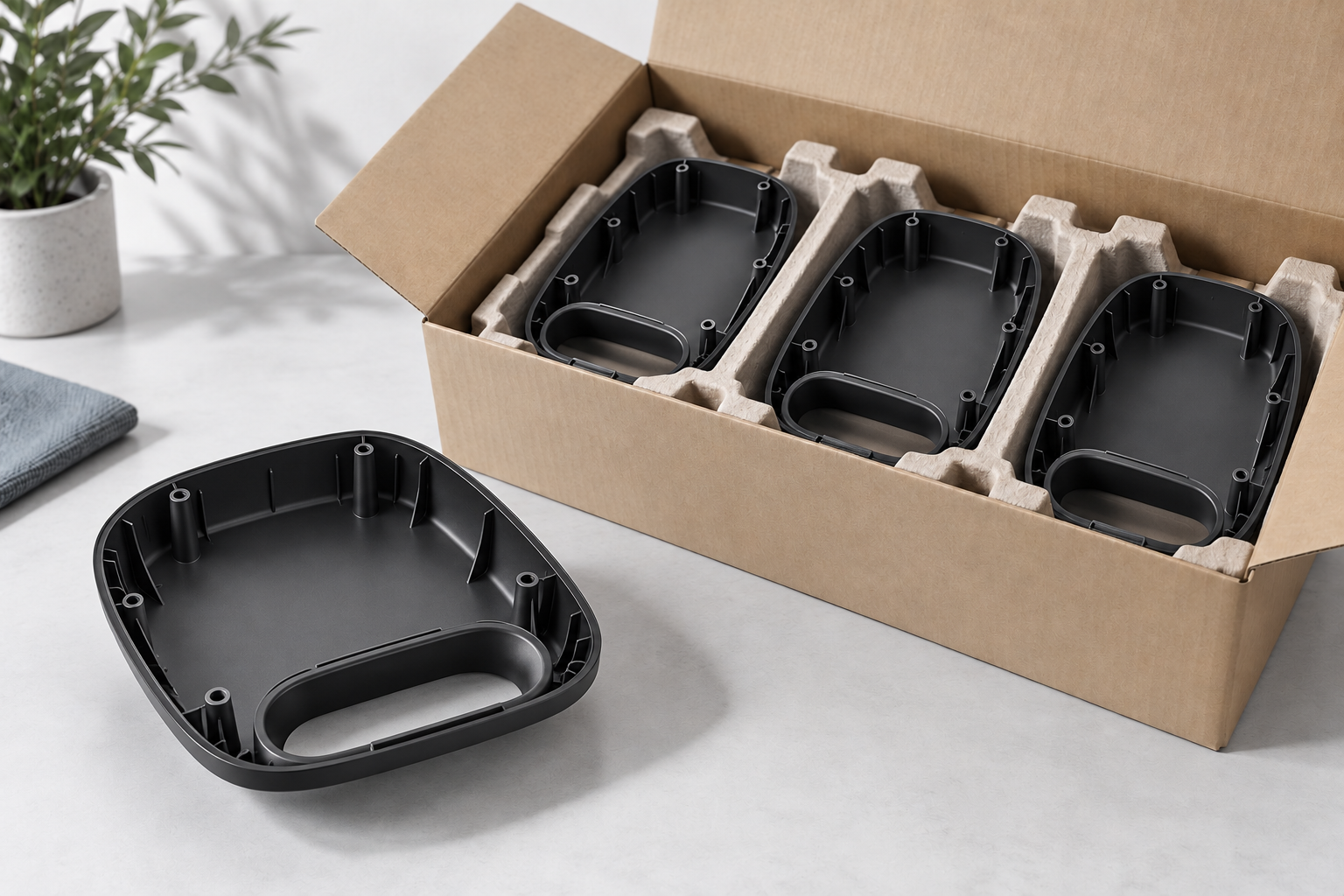
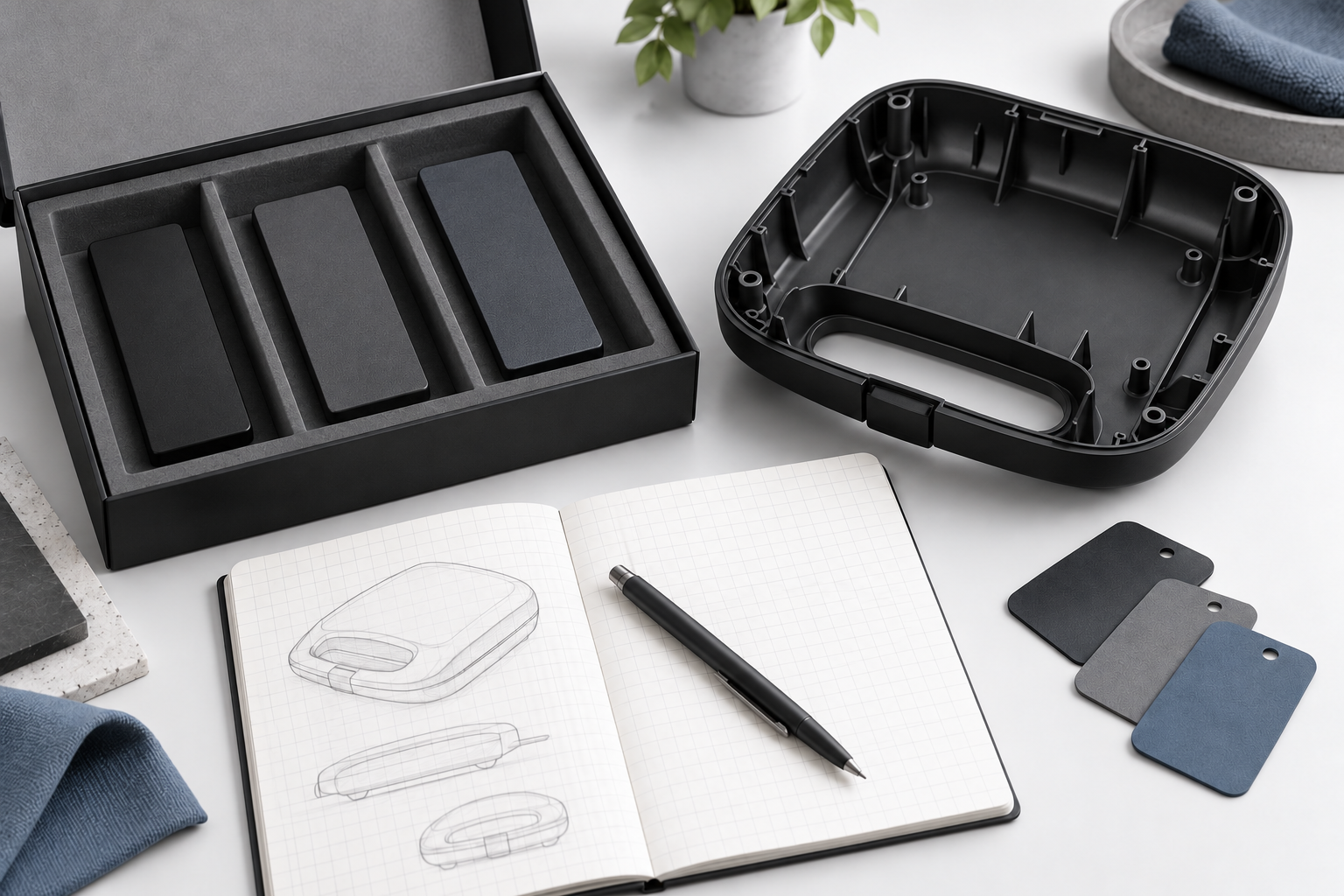
For custom colours, provide a reference sample or sample powder; the standard black does not require one, and light shades are difficult in phenolic. Custom batches start at 3–5 tonnes, and colour-matched compound takes about 15 working days. Changes to colour or formulation should remain connected to the required technical evaluation.
Include the accepted material and component specification, batch documentation, incoming inspection, traceability, nonconformance handling and change-notification arrangements. Discuss repeat-order planning and the procedure for proposed material or production-source changes.
Use the validation and supplier qualification guide to define the evidence for approval.
 Once the project inputs and responsibilities are clear, request a quotation for the selected supply route and delivery scope.
 English
 Türkçe
 ไทย
ไทย Tiếng Việt
 العربية (الجزائر)
 العربية (مصر)
 Português
 Español (Perú)
 Español (México)
 Bahasa Melayu
 فارسی
فارسی اردو
اردو العربية (المغرب)
 Bahasa Indonesia
 বাংলা
বাংলা